
Cart is empty.


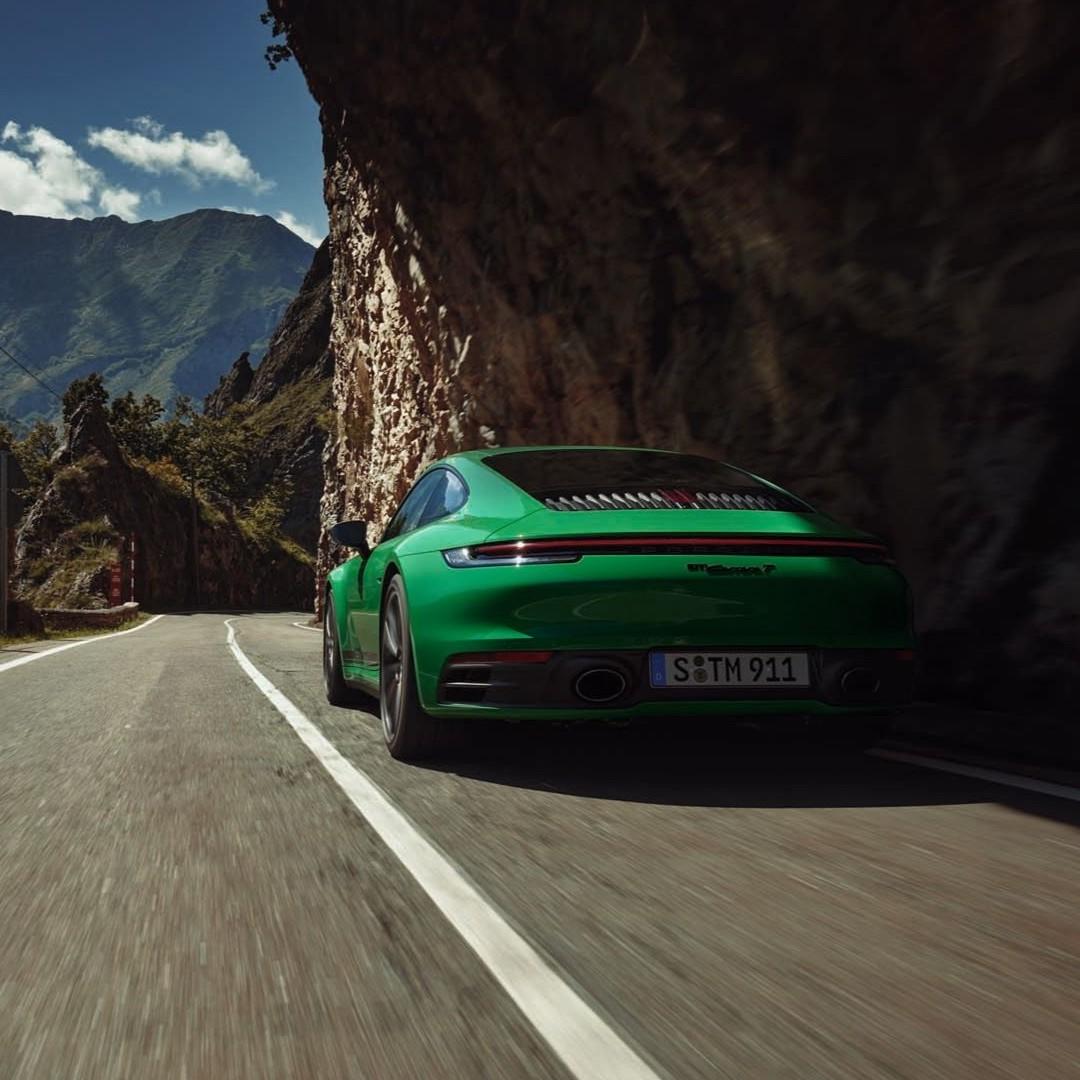
Pure Mechanical Connection: Why the 992.2 Porsche 911 Carrera T Is Built for Drivers
Few sports cars have earned the loyalty of driving enthusiasts quite like the Porsche 911. For more than six decades, Porsche's rear-engine icon has evolved through generations of turbocharging, wider bodywork, and increasingly sophisticated chassis electronics—yet the core appeal has always remained the same: unfiltered feedback between driver, steering wheel, and tarmac.
With the refreshed 992.2 lineup, Porsche made a bold decision that directly answers what purists have been asking for.
This isn't about chasing lap-record headlines or maximum horsepower figures. This is the 992.2 Porsche 911 Carrera T, a lightweight, rear-wheel-drive sports car offered exclusively with a six-speed manual transmission. By dropping the old seven-speed gearbox in favor of a crisper six-speed unit with a walnut shift knob and open-pore wood trim, Porsche doubled down on driver engagement.
Here's why the Carrera T stands out as one of the most compelling modern driver's cars on the road.
A Purist's Formula: Six Speeds and Rear-Wheel Drive
As performance cars grow heavier and increasingly reliant on dual-clutch transmissions and all-wheel-drive traction systems, the Carrera T intentionally moves in the opposite direction.
Porsche eliminated the PDK automatic option entirely on the 992.2 Carrera T, making the six-speed manual the sole transmission choice. Paired with auto-blip rev-matching that can be toggled off at the push of a button, the gearbox brings back the deliberate rhythm of heel-and-toe downshifts and mechanical involvement.
The result is a 911 that rewards precision and driver input rather than letting software do the heavy lifting.
Lightweight Focus Where It Counts
The "T" badge stands for Touring—a lineage dating back to the 1968 911 T—and its entire mission revolves around trimming unnecessary mass and sharpening response.
Lightweight glass, reduced sound deadening, rear-seat deletion as standard (with rear seats available as a no-cost option), and optional carbon-fiber full bucket seats all work together to keep curb weight down. When spec'd in its lightest configuration, the Carrera T undercuts the standard Carrera while delivering a noticeably more vocal cabin.
With less insulation between the cockpit and the flat-six behind you, every intake note, turbo spool, and exhaust crackle from the standard sport exhaust becomes part of the driving experience.
Chassis Hardware Borrowed From Higher Up the Lineup
Beyond weight savings, Porsche equipped the Carrera T with performance chassis upgrades that normally require stepping up to higher-tier models.
PASM Sport Suspension lowers the ride height by 10 mm, while standard rear-axle steering sharpens turn-in at low speeds and adds stability through fast sweepers. Additionally, Porsche's torque vectoring with a mechanical rear differential lock puts power down cleanly out of tight corners while providing confident stopping power from the upgraded 350 mm brake rotors and six-piston front calipers.
Every component is calibrated to make the car feel agile, communicative, and eager to rotate.
Twin-Turbo Flat-Six Character
Power comes from Porsche's 3.0-liter twin-turbocharged flat-six engine, tuned to deliver 388 horsepower and 331 lb-ft of torque exclusively to the rear wheels.
Zero to 60 mph arrives in approximately 4.3 seconds with a top track speed around 183 mph—more than quick enough for any back road or track day, yet accessible enough that you can actually wind out the gears without immediately risking your license.
Rather than overwhelming the chassis with massive boost, the Carrera T hits a sweet spot where balance, throttle modulation, and gearing work in harmony.
A Modern Classic in the Making
In an era where manual transmissions are disappearing from even the most storied performance nameplates, the 992.2 Porsche 911 Carrera T feels like a deliberate love letter to enthusiasts who still want to row their own gears.
It isn't the quickest 911 in the showroom.
It isn't the most extravagant.
It isn't built to win drag races.
Instead, by combining rear-wheel drive, a six-speed manual gearbox, reduced weight, and factory sport-chassis tuning, Porsche created a 911 that captures what driving is truly supposed to feel like.
Three pedals. Six gears. Rear-engine balance. Pure driving focus.